 English
 Deutsch
 Polski
 Italiano
 Español
 Français
 Português
 عربي
عربي 
Blog
Electric Warehouse Equipment: Transforming Efficiency, Sustainability, and Bottom Lines
In the fast-paced world of logistics and supply chain management, warehouse operations are the backbone of delivering products to consumers on time. As businesses grapple with rising demand, stricter sustainability goals, and the need for greater operational efficiency, electric warehouse equipment has emerged as a game-changer
The Rise of Electric: Driven by Need and Innovation
The shift toward electric warehouse equipment isn’t just a trend—it’s a response to three critical industry drivers: sustainability mandates, operational efficiency, and employee well-being. Governments around the world are cracking down on carbon emissions, with regulations like the EU’s Carbon Border Adjustment Mechanism (CBAM) and California’s Air Resources Board (CARB) standards pushing businesses to reduce their carbon footprints. Electric equipment, which produces zero tailpipe emissions, is a straightforward way for warehouses to meet these requirements.
At the same time, advancements in battery technology—specifically lithium-ion (Li-ion) batteries—have addressed the historic pain points of electric equipment, such as limited runtime and long charging times. Modern Li-ion batteries offer fast charging (some can reach 80% capacity in under an hour), extended lifespans (up to 5-7 years), and consistent performance throughout the charge cycle. This means electric forklifts, pallet trucks, and order pickers can keep up with the demands of 24/7 warehouse operations, eliminating the downtime associated with refueling gas-powered machines or swapping out lead-acid batteries.
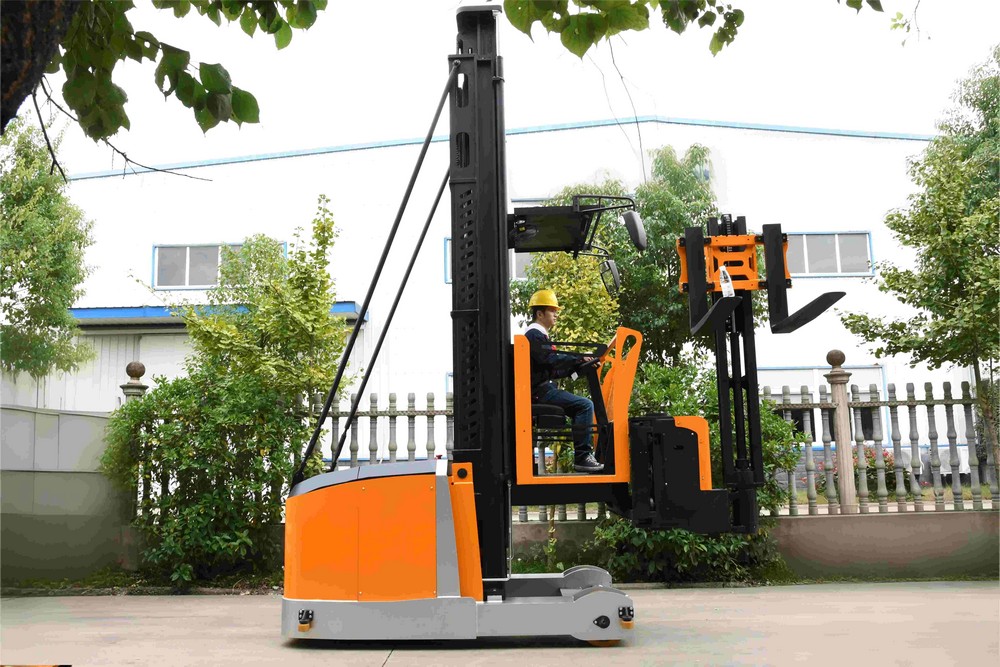
Key Benefits: Beyond Just “Going Green”
While sustainability is a major draw, electric warehouse equipment delivers tangible benefits that impact a business’s bottom line and day-to-day operations. Here are the most significant advantages:
1. Lower Operational Costs
Electricity is far cheaper than gasoline or diesel, and electric equipment has fewer moving parts, reducing maintenance costs. A study by the Material Handling Industry (MHI) found that electric forklifts cost up to 75% less to operate per hour than their gas-powered counterparts. For example, a typical gas forklift might cost $3-5 per hour to run, while an electric one costs just $0.50-$1.50. Additionally, electric equipment doesn’t require oil changes, filter replacements, or engine overhauls, cutting maintenance expenses by 30-50%.
2. Improved Workplace Safety and Comfort
Gas and diesel equipment emit fumes, noise, and vibration—all of which pose risks to warehouse workers. Electric machines are quiet (operating at 60-70 decibels, compared to 90+ for gas models), eliminating noise-induced hearing loss risks and creating a more pleasant work environment. They also produce no exhaust fumes, reducing the need for expensive ventilation systems and lowering the risk of respiratory issues. Plus, electric motors provide smoother acceleration and deceleration, making the equipment easier to handle and reducing the likelihood of accidents.
3. Consistent Performance
Unlike gas engines, which lose power as fuel levels drop, electric motors deliver consistent torque and performance from start to finish. This is especially important for high-intensity operations, such as order picking during peak seasons, where reliability is key. Li-ion batteries also maintain their charge longer in cold environments, making electric equipment a great fit for refrigerated warehouses—an area where gas-powered machines often struggle.
4. Scalability and Flexibility
Electric warehouse equipment comes in a wide range of sizes and configurations, from compact pallet jacks for narrow aisles to heavy-duty forklifts for lifting 20,000+ pounds. This versatility means businesses can find the right equipment for their specific needs, whether they’re running a small e-commerce fulfillment center or a large distribution hub. Additionally, modular charging solutions—such as opportunity charging stations placed throughout the warehouse—allow workers to top up batteries during breaks, eliminating the need for dedicated charging areas and maximizing equipment uptime.
The Future of Electric Warehouse Equipment
As battery technology continues to advance—with longer runtimes, faster charging, and lower costs—electric warehouse equipment will only become more powerful and accessible. We’re also seeing the rise of smart electric equipment, with features like telematics and IoT connectivity that allow managers to track equipment performance, monitor battery levels, and predict maintenance needs. This data-driven approach helps warehouses optimize operations even further, reducing downtime and improving productivity.
Additionally, the push toward net-zero carbon emissions will continue to drive adoption. By 2030, many experts predict that electric equipment will dominate the warehouse market, as businesses recognize that sustainability and profitability go hand in hand.