 English
 Deutsch
 Polski
 Italiano
 Español
 Français
 Português
 عربي
عربي 
Blog
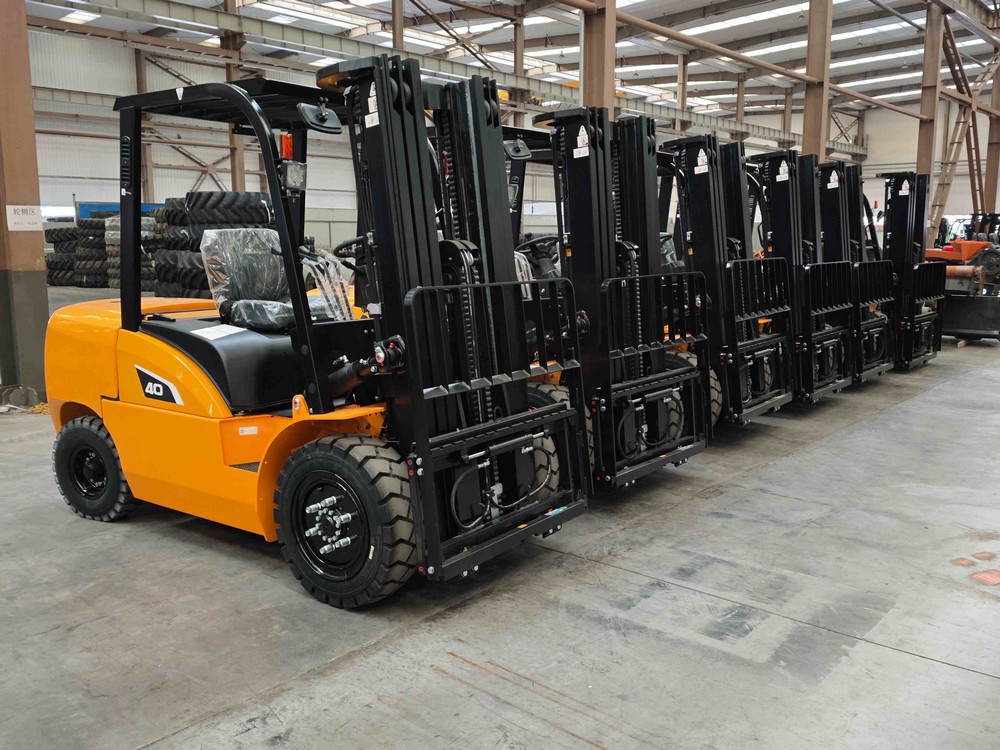
Widely Used Diesel Forklifts
Diesel forklifts are workhorses in material handling, renowned for their robust performance, high load capacity, and adaptability to harsh environments.
Core Advantages of Diesel Forklifts
1. Exceptional Power and Load Capacity
Diesel engines deliver higher torque and horsepower compared to electric motors or LPG engines of the same size, enabling diesel forklifts to handle heavy loads (typically 5–50+ tons) and navigate steep ramps (up to 30% grade) with ease. This makes them indispensable for lifting bulky items like steel coils, concrete blocks, or shipping containers—tasks that often exceed the capacity of electric forklifts (which typically max out at 3–5 tons for standard models).
2. Continuous Operation & Quick Refueling
Unlike electric forklifts that require 8–12 hours of charging (plus cool-down time), diesel forklifts can be refueled in 5–10 minutes, minimizing downtime. This uninterrupted workflow is critical for high-throughput environments (e.g., ports, construction sites) where operations run 24/7. Additionally, diesel fuel has a longer shelf life than batteries, reducing maintenance costs associated with battery degradation.
3. Durability in Harsh Environments
Diesel forklifts are built to withstand extreme conditions:
Outdoor use: Resistant to rain, dust, and temperature fluctuations (from -20°C to 45°C), making them suitable for open yards, construction sites, or unheated warehouses.
Rough terrain: Equipped with rugged tires and reinforced frames, they can operate on gravel, dirt, or uneven surfaces—unlike electric forklifts, which are designed for smooth indoor floors.
Heavy-duty wear: Diesel engines are less prone to damage from frequent heavy lifting or continuous use, resulting in a longer service life (10–15 years vs. 5–8 years for electric models with proper maintenance).
4. Cost-Effective for High-Volume Operations
While the initial purchase price of diesel forklifts is often higher than electric models, they offer lower total cost of ownership (TCO) for high-usage scenarios:
Lower fuel costs: Diesel fuel is typically cheaper than electricity in regions with high power rates (e.g., parts of Europe, Asia).
Reduced maintenance: Diesel engines have fewer moving parts than electric motors and batteries, requiring less frequent servicing (e.g., no battery replacement every 3–5 years).
Higher resale value: Durable construction and strong market demand keep resale prices competitive.
5. Versatility with Attachments
Diesel forklifts can be equipped with a wide range of attachments to expand functionality, including:
Side shifters for precise load positioning.
Fork extensions for long or awkwardly shaped items.
Clamps for handling barrels, paper rolls, or pallets without slip sheets.
Winches for lifting heavy objects vertically.
This versatility makes them suitable for diverse industries, from construction to manufacturing.
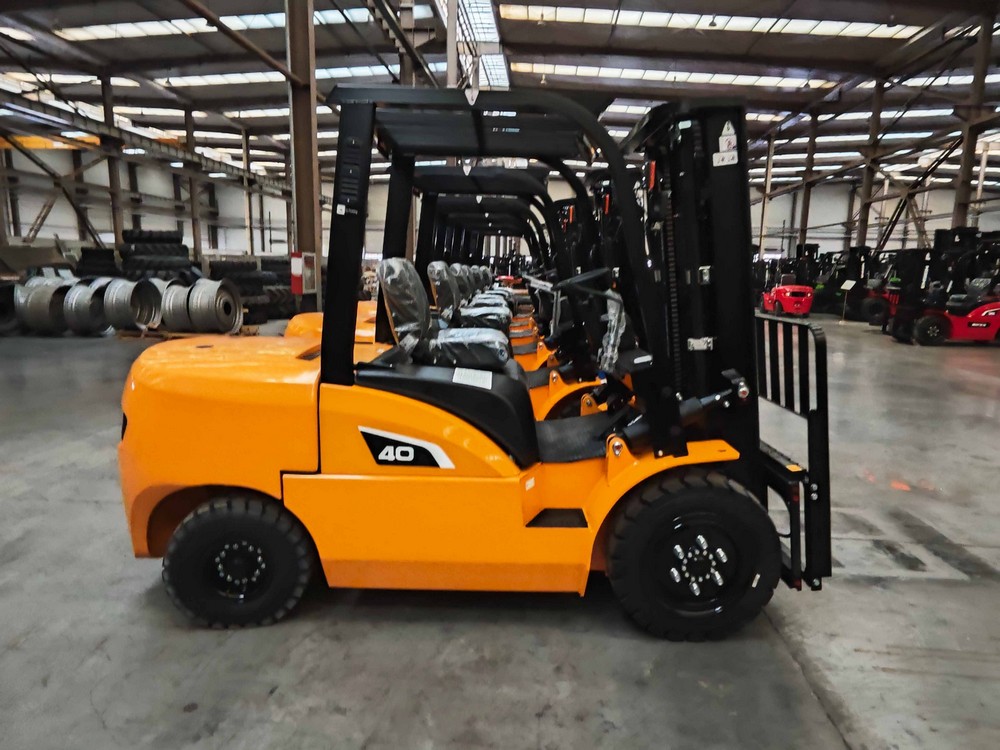
Key Application Scenarios
1. Ports and Shipping Yards
Diesel forklifts are the backbone of port operations, where they unload and load shipping containers, move heavy cargo between vessels and storage areas, and handle oversized items like machinery or vehicles. Their ability to operate outdoors in all weather conditions and refuel quickly aligns with the 24/7 demands of global logistics.
2. Construction Sites
On construction sites, diesel forklifts transport building materials (steel beams, cement bags, bricks) across rough terrain, lift heavy equipment to upper floors, and assist with site preparation. Their rugged design withstands dust, debris, and uneven ground, while their high load capacity supports the heavy-duty needs of construction projects.
3. Manufacturing and Heavy Industry
In industries like steel production, automotive manufacturing, and concrete plants, diesel forklifts handle raw materials (e.g., steel coils, aluminum ingots) and finished products (e.g., car frames, precast concrete panels). They excel at continuous lifting and moving of heavy loads, ensuring smooth production lines.
4. Warehouses and Distribution Centers (Outdoor/High-Volume)
For large warehouses or distribution centers with outdoor storage yards, diesel forklifts are used to move pallets between indoor storage and trucks. They are also ideal for facilities with high throughput (1000+ loads per day) where electric forklifts would struggle with frequent charging.
5. Agriculture and Farming
In agriculture, diesel forklifts transport hay bales, farm equipment, and harvested crops (e.g., grain sacks, fruit crates) across fields and storage facilities. Their ability to operate on dirt roads and withstand outdoor conditions makes them essential for rural operations where electricity may be limited.
6. Mining and Quarrying
Mines and quarries rely on diesel forklifts to move heavy rock, ore, and equipment in harsh underground or open-pit environments. Their durability, high torque, and resistance to dust and moisture make them suitable for these demanding applications.