 English
 Deutsch
 Polski
 Italiano
 Español
 Français
 Português
 عربي
عربي 
Blog
LPG forklifts, a mainstream choice for material handling in warehousing and logistics
LPG forklifts, short for liquefied petroleum gas forklifts, are a mainstream choice for material handling in warehousing, logistics, and manufacturing sectors, thanks to their balanced performance, environmental friendliness, and operational flexibility. Below is a detailed breakdown of their advantages and suitable application regions.
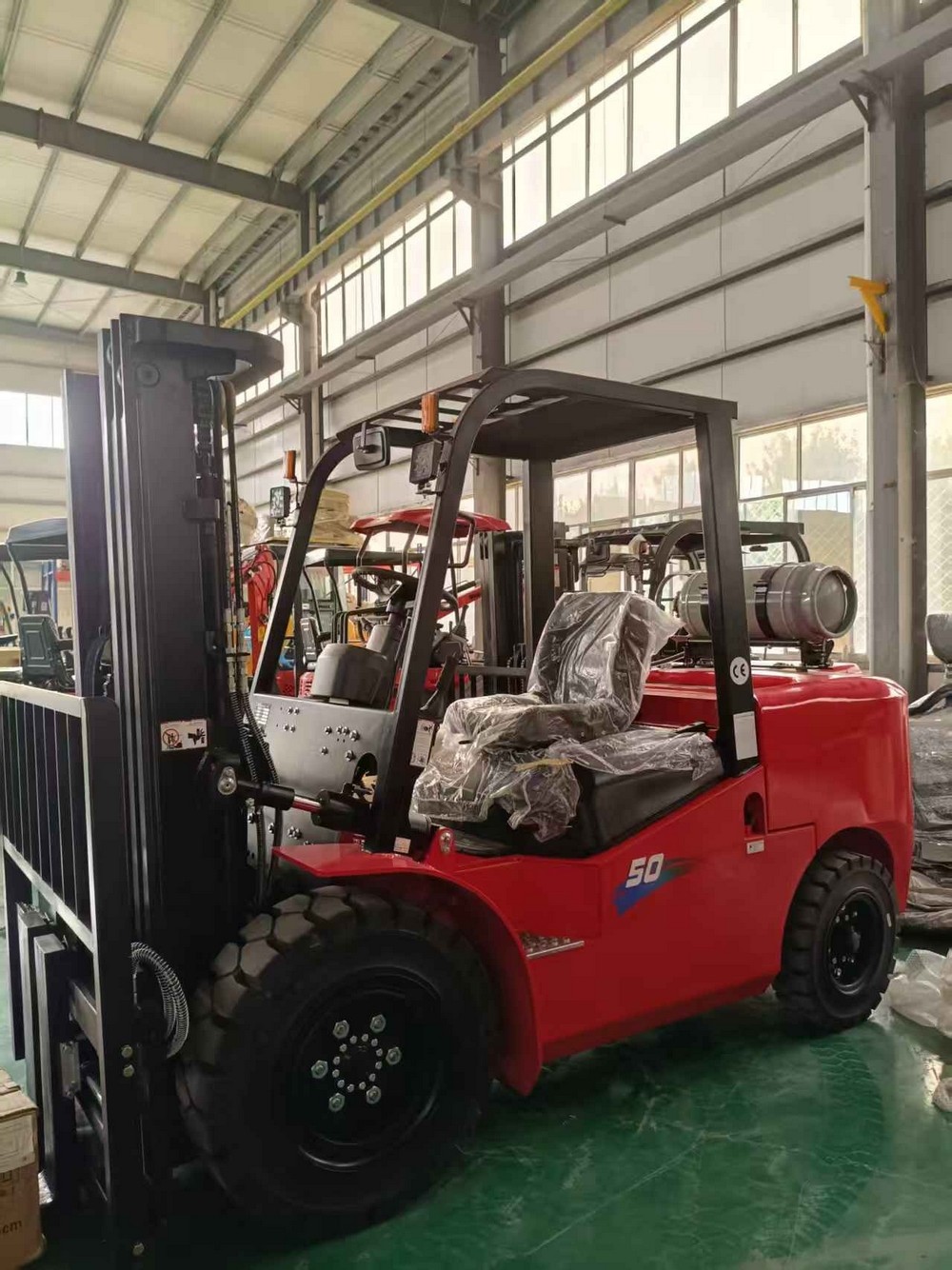
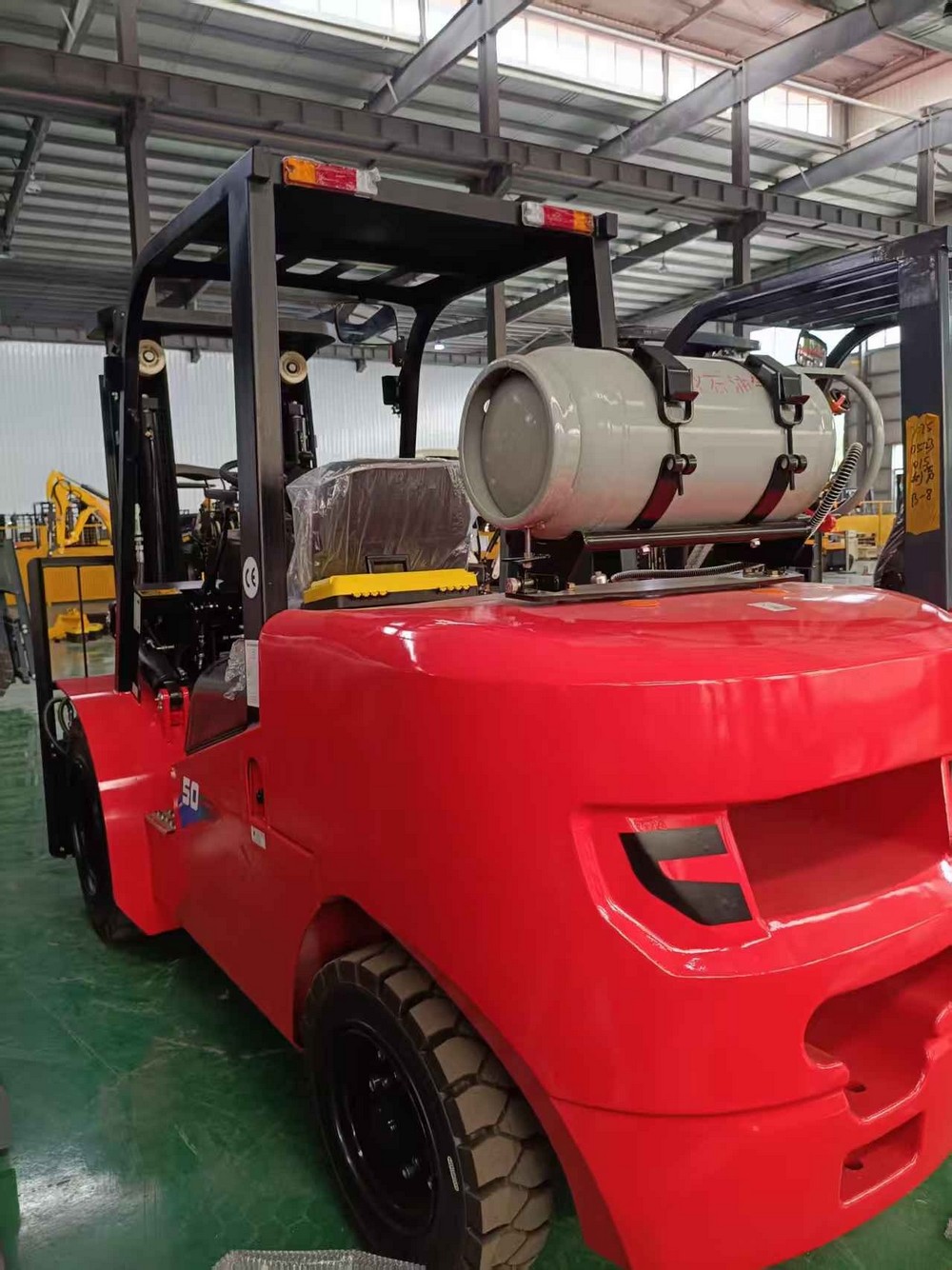
Dual-fuel Flexibility (Optional)Most LPG forklifts are designed with a dual-fuel system that can switch between LPG and gasoline. This flexibility allows operators to adapt to on-site fuel supply conditions, eliminating the risk of work interruptions due to fuel shortages—a key advantage over single-fuel forklifts.
Cleaner Emissions Than Diesel CounterpartsCompared with diesel forklifts, LPG forklifts produce fewer particulate matters (PM), sulfur oxides (SOx), and nitrogen oxides (NOx). Their exhaust emissions are relatively clean, meeting most regional environmental standards for indoor and outdoor operations. They avoid the strong smoke and noise pollution associated with diesel equipment, making them ideal for semi-enclosed spaces.
Fast Refueling and High Operational EfficiencyRefueling an LPG forklift only takes 2–3 minutes by replacing the gas cylinder, which is far more efficient than charging electric forklifts (which usually require hours of charging time). This feature ensures high uptime, making LPG forklifts suitable for high-intensity material handling scenarios such as cross-docking and peak-season warehouse operations.
Strong Power for Heavy-duty TasksLPG engines deliver stable power output, comparable to diesel engines, enabling them to handle heavy loads (typically 1–10 tons) with ease. They perform well in tasks like stacking heavy pallets and loading/unloading goods from trucks, outperforming electric forklifts in terms of continuous heavy-load operation capability.
Low Maintenance CostsLPG engines have a simpler structure than diesel engines, with no complex components like diesel injectors. This reduces the frequency of maintenance and repair costs. Additionally, LPG burns more completely, minimizing carbon deposits in the engine and extending the service life of key components.
Suitable Application Regions
Regions with Strict Indoor Emission Standards
Urban Logistics Hubs: In densely populated cities in Europe, North America, and East Asia, indoor warehouses and distribution centers face strict restrictions on diesel exhaust emissions. LPG forklifts’ low-pollution exhaust makes them compliant with local environmental regulations for indoor operations.
Food and Pharmaceutical Warehouses: Areas that require high cleanliness (e.g., food processing plants, pharmaceutical storage facilities) cannot tolerate diesel smoke and particulate contamination. LPG forklifts are the preferred material handling equipment here.
Regions with Convenient LPG Supply Chains
Areas with Mature LPG Infrastructure: Countries and regions with well-established LPG production, storage, and distribution networks (e.g., the United States, Australia, the Middle East, and parts of Southeast Asia) are ideal for LPG forklifts. Easy access to LPG cylinders reduces fuel supply costs and operational disruptions.
Industrial Parks with Centralized Fuel Supply: Industrial zones that provide unified LPG refueling services for enterprises can maximize the cost advantage of LPG forklifts, making them suitable for manufacturing clusters and logistics parks.
Regions with Mixed Indoor-outdoor Operations
Suburban Distribution Centers: Facilities that involve both indoor pallet stacking and outdoor truck loading/unloading (common in suburban areas of developing countries like India, Brazil, and South Africa) benefit from LPG forklifts’ versatility. Unlike electric forklifts, they do not rely on charging piles and can work continuously outdoors; unlike diesel forklifts, they can operate indoors without violating emission rules.
Cold Climate Regions
High-latitude Areas: In cold regions such as Northern Europe, Canada, and Northern China, electric forklifts often suffer from reduced battery performance in low temperatures. LPG forklifts, however, maintain stable power output regardless of ambient temperature, ensuring normal operation in cold warehouses and outdoor winter work environments.