 English
 Deutsch
 Polski
 Italiano
 Español
 Français
 Português
 عربي
عربي 
Blog
High altitude work platform: moving towards an intelligent and green era of efficient operations
With the acceleration of urbanization and industrial upgrading, high-altitude work platforms are transforming from "tool type equipment" to "intelligent work systems", and their development trend has clearly pointed towards three core directions.
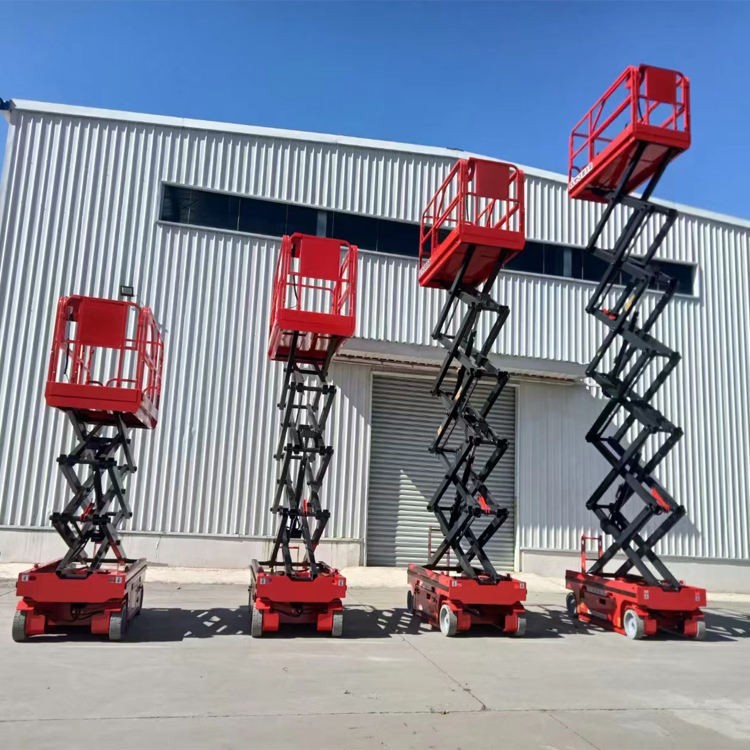
Electrification and new energy dominate the power revolution.
Traditional fuel equipment is being rapidly replaced by electric platforms. By 2025, the penetration rate of electric products has exceeded 60%. Lithium battery routes have achieved 8 hours battery life, and hydrogen fuel cell platforms have also entered the demonstration stage. A single hydrogen refueling can support 12 hours of operation, perfectly adapting to high load scenarios such as wind power and venues. Driven by policies, the proportion of electric platforms will reach 85% by 2030, and their zero emissions and low noise characteristics make them a "standard" for urban operations.
Intelligent reconstruction of security and efficiency boundaries.
Lidar and AI vision systems have achieved autonomous obstacle avoidance and centimeter level positioning. The remote control platform is three times more efficient than manual operation in power inspection, and the fault response time has been reduced by 60%. The predictive maintenance system monitors device status in real-time through the Internet of Things, reducing operation and maintenance costs by 28%; By 2030, 25% of platforms will achieve autonomous driving, eliminating the need for personnel to be present for hazardous operations.
Lightweight and modular expansion of application scenarios.
High strength aluminum alloy and carbon fiber materials reduce the weight of equipment by 20% while maintaining load-bearing performance, significantly improving the flexibility of narrow space operations; Modular design enables quick replacement of components such as batteries and arms, reducing maintenance time by 30% and adapting to diverse scenarios such as construction, logistics, and emergency rescue.
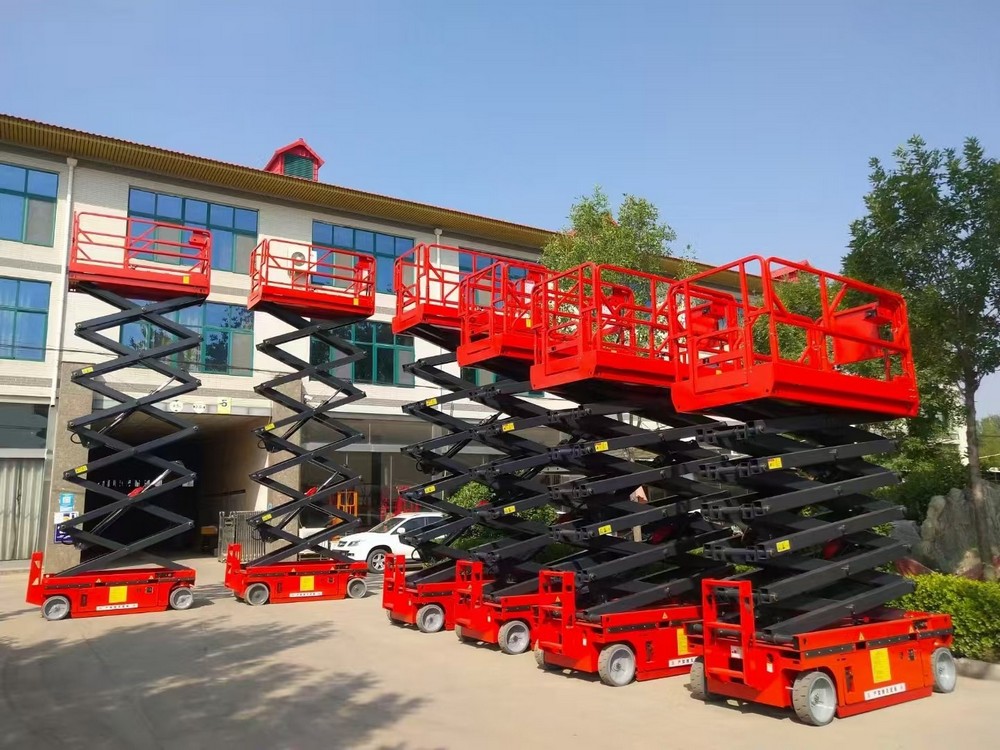
The evolution of high-altitude work platforms is reshaping the operational logic of high-altitude scenes, from substitutes for scaffolding to "aerial terminals" for intelligent operations. Do you expect these devices to bring new changes in your work environment? Why not talk about your pain points in high-altitude work and see if these trends can accurately match your needs